

Night Guards (TMJ/Bruxism) in San Jose, CA
Waking up with a sore, stiff jaw. Persistent headaches that seem to start behind your ears. A clicking sound every time you open your mouth to eat or speak. For millions of Americans, these symptoms are daily reality — and they often trace back to the temporomandibular joint. At Aqua Dentistry in Midtown San Jose, Dr. Aishwarya S. Kumar and Dr. Jessica Mehta take a thorough, patient-centered approach to TMJ and bruxism care. If you have been living with jaw pain, unexplained headaches, or teeth grinding, you do not have to accept it as normal. Relief is available, and it often starts with something as straightforward as a custom night guard.
You may be waking up with a sore jaw, a dull headache that lingers into the morning, or a persistent tenderness in your temples you have been attributing to stress or poor sleep. What you might not realize is that the source could be happening while you are entirely unconscious. Bruxism, the involuntary grinding and clenching of the teeth during sleep, affects a significant portion of the population, and many patients live with it for months or years without realizing it. Left unaddressed, the relentless pressure it places on the teeth and jaw accumulates into serious structural damage faster than most people expect.
At Aqua Dentistry, we offer custom night guards as part of a comprehensive approach to protecting patients from the effects of bruxism and TMJ-related discomfort. As an extension of our TMJ and bruxism treatment services in San Jose, our night guards are fabricated from precise impressions of your own teeth to ensure a fit that is genuinely comfortable to wear and effective at absorbing the forces that nighttime grinding generates.
What Is Bruxism and How Does It Affect Your Teeth and Jaw?
Bruxism refers to the involuntary clenching or grinding of the teeth, most commonly occurring during sleep but also possible during waking hours without the person being aware. The forces generated by nighttime grinding are substantially higher than those produced during normal chewing, and over time this sustained pressure causes wear patterns on the chewing surfaces, enamel erosion, increasing tooth sensitivity, and in more advanced cases, cracking or fracturing of the tooth structure. Many patients discover they grind only after a dental examination reveals the signs, or after a sleeping partner mentions hearing it happen at night.
Bruxism is also closely connected to temporomandibular joint (TMJ) dysfunction, which affects the joints and muscles that control jaw movement. The repetitive muscle tension and pressure caused by clenching and grinding can inflame the TMJ, contributing to jaw pain, restricted movement, clicking or popping sensations, and headaches that radiate through the temples and neck. According to the National Institutes of Health, severe bruxism can cause teeth to crack, loosen, or be lost entirely, and many affected individuals remain unaware until their dentist detects the telltale signs. This is precisely why early intervention with a well-fitted night guard makes such a measurable difference.
How Night Guards Protect Your Teeth and Jaw
A custom night guard is a thin, precisely fitted oral appliance worn over the teeth during sleep that creates a protective barrier between the upper and lower dental arches. Rather than stopping grinding itself, it absorbs and redistributes the forces generated during clenching so they no longer transfer directly onto the tooth surfaces or the jaw joints. This reduction in impact protects the enamel from further wear, relieves muscular tension in the jaw, and significantly reduces the morning symptoms that bruxism sufferers often come to accept as unavoidable. At Aqua Dentistry, our night guards are made from high-quality materials using precise impressions, resulting in an appliance far more comfortable and effective than any store-bought alternative.
Wearing a professionally fitted custom night guard delivers a range of meaningful benefits, including:
- Protection from enamel erosion: Grinding forces that would otherwise wear down tooth surfaces are redirected by the guard, preventing the sensitivity and structural breakdown that accompany enamel loss over time.
- Reduced jaw muscle tension: By positioning the jaw in a more neutral resting alignment, the guard relieves the sustained muscular contraction responsible for facial soreness and morning jaw fatigue.
- Fewer headaches and facial pain: Many patients experience a marked reduction in temple headaches, ear pain, and facial tension after establishing a consistent night guard routine.
- Preservation of existing dental work: Crowns, veneers, and other restorations are especially vulnerable to grinding forces, and a properly fitted guard significantly extends their lifespan.
- Long-term TMJ support: Consistent night guard use helps reduce the repetitive inflammation and strain on the temporomandibular joint that drives many of bruxism’s most disruptive symptoms.
Patients frequently notice improvement in their morning symptoms within the first few weeks of consistent wear, and the structural protection the guard provides is one of the most impactful preventive investments a bruxism patient can make.
Why Choose Aqua Dentistry for Custom Night Guards in San Jose?
At Aqua Dentistry, custom night guards are part of a thoughtful, patient-centered approach to general dentistry that prioritizes prevention and early action. Before recommending a night guard, our team evaluates each patient’s grinding patterns, TMJ health, and bite alignment, because not all bruxism cases present the same way and an effective appliance should reflect each patient’s unique anatomy. We combine precise impression techniques with our advanced dental technology to fabricate guards that fit accurately, remain comfortable through the night, and hold up to the demands of long-term use.
We also recognize that chronic bruxism creates cosmetic concerns alongside its functional effects. Worn enamel, chipped edges, and shifting bite alignment all alter the appearance of a smile over time, and for patients who have experienced these changes, our cosmetic dentistry services can address those concerns while the night guard works to prevent further damage going forward. Protecting your smile and restoring your confidence are goals we take seriously, and our team is committed to guiding you through both with the same level of care and attention.
Ready for a Night Guard? Protect Your Smile at Aqua Dentistry Today
If you are waking up with unexplained jaw pain, persistent headaches, or tooth sensitivity, or if a dental visit has revealed early signs of grinding, a custom night guard may be one of the most impactful steps you can take for your long-term oral health. Dr. Aishwarya Kumar and the Aqua Dentistry team bring a thorough, individualized approach to every bruxism case, ensuring each patient receives the evaluation, guidance, and protection their smile deserves.
Ready to take the next step toward protecting your teeth and relieving your symptoms? Contact our office today to schedule a consultation and find out whether a custom night guard is right for you.
Frequently Asked Questions About TMJ Treatment
What causes TMJ pain?
What causes TMJ pain?
TMJ pain can stem from a variety of sources, including jaw muscle tension, teeth grinding (bruxism), arthritis in the joint, jaw injury, or structural issues with the joint itself. Stress is a major contributing factor — it drives clenching and grinding that puts repetitive strain on the jaw muscles and joint over time. Poor bite alignment, missing teeth, and sleep disorders can also play a role. Because the causes vary, Dr. Kumar evaluates your specific situation before recommending a treatment path.
How do I know if I have TMJ disorder?
Common signs include jaw pain or soreness that is worse in the morning, clicking or popping sounds when you open or close your mouth, headaches or migraines that tend to start near the temples or ears, difficulty fully opening your mouth, ear pain or a feeling of fullness in the ears without an actual ear infection, and facial tension or tightness. If you are experiencing several of these symptoms, a TMJ evaluation can help identify whether the joint is the source.
What treatments are available for TMJ disorders?
Treatment depends on the underlying cause and severity of your symptoms. At Aqua Dentistry, the most common first-line treatment is a custom night guard — a precisely fitted oral appliance worn during sleep to cushion the joint and prevent grinding. Other approaches include physical therapy exercises for the jaw muscles, dietary modifications to reduce jaw strain, stress management, and anti-inflammatory medication. Severe structural cases may be referred to an oral surgeon for further evaluation, though most patients find significant relief from conservative care.
What is the difference between TMJ and bruxism?
TMJ (or TMD — temporomandibular disorder) refers to dysfunction or pain in the temporomandibular joint itself. Bruxism is a separate but often related condition: it is the habit of grinding or clenching your teeth, usually during sleep. Bruxism is a leading cause of TMD because the repetitive jaw strain wears down the joint and surrounding muscles over time. Many patients have both conditions simultaneously, and a night guard addresses both by protecting the teeth and relieving pressure on the joint.
Does a night guard actually help with TMJ pain?
For most patients, yes. A custom night guard creates a slight separation between the upper and lower teeth that reduces the muscle activity associated with grinding and clenching. This relieves pressure on the joint and allows the jaw muscles to relax during sleep. Over-the-counter guards are available, but they are not custom-fitted and often shift or create uneven pressure that can worsen symptoms. A guard made by Dr. Kumar is fabricated from a precise impression of your bite for the most effective and comfortable fit.
Can TMJ disorder go away on its own?
Mild cases sometimes improve with rest, reduced chewing, and stress reduction. However, untreated bruxism and joint strain typically worsen over time — leading to increased tooth wear, cracked teeth, escalating pain, and in chronic cases, structural changes to the joint. Early evaluation and treatment prevent more extensive dental damage and give you the best chance of managing symptoms long term without more invasive intervention.
Does dental insurance cover TMJ treatment?
Coverage varies significantly by plan. Many dental insurance plans cover the diagnostic evaluation and X-rays used to assess TMJ disorders. Coverage for night guards and related treatments varies — some plans include them under a TMJ or bruxism benefit; others do not. Aqua Dentistry is in-network with most PPO plans under the Connection Dental umbrella. Our team will verify your benefits before treatment and let you know what is covered and what your estimated out-of-pocket cost will be.
Meet Our Doctors:

Dr. Jessica Mehta
Dr. Jessica Mehta brings her unique blend of expertise and passion to our team. A graduate of the University of Southern California and the University of Washington’s General Practice Residency, she is dedicated to educating …

Dr. Aishwarya S. Kumar
Dr. Aishwarya Kumar is the heart and soul behind our newly merged practice. With over eight years of experience treating patients across Silicon Valley, from Gilroy to San Jose, Dr. Kumar has built a reputation …
TMJ Treatment Technology
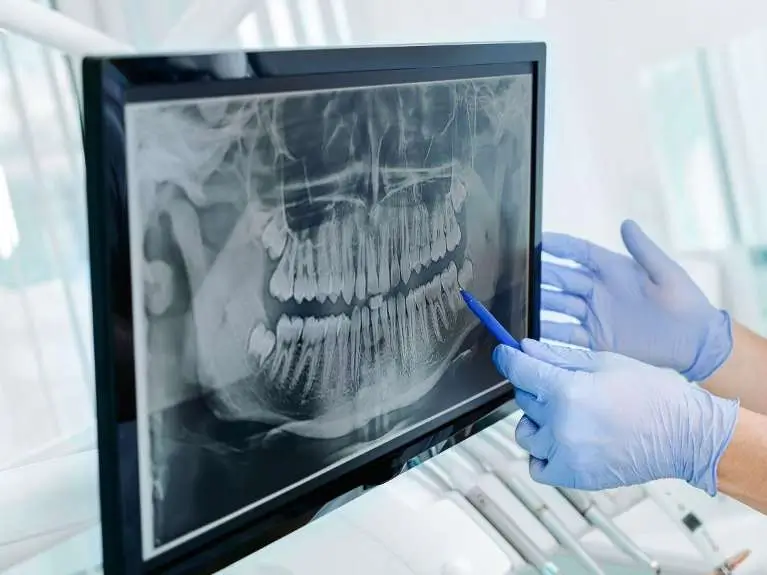
Panoramic X-Rays: The Big Picture of Your Oral Health
Panoramic X-rays provide a comprehensive view of the entire mouth, jaws, and surrounding structures in a single image. This technology allows dentists to examine areas beyond the scope of traditional X-rays, including sinuses, jaw joints, and impacted teeth. Panoramic X-rays are invaluable for diagnosing complex dental issues like TMJ disorders, planning treatments, and identifying potential problems that might otherwise go unnoticed, all while exposing patients to minimal radiation.
Benefits for you: Comprehensive diagnostics, early detection of issues, and efficient treatment planning.
Schedule Your TMJ Evaluation at Aqua Dentistry
Visit Aqua Dentistry in San Jose, CA
Serving San Jose, Willow Glen, Sunnyvale, Santa Clara, Campbell & surrounding areas