
We understand how TMJ disorders and bruxism can affect your life, so we’ll work to find the right TMJ treatment plan for your needs.

TMJ Treatment San Jose, CA
Waking up with a sore, stiff jaw. Persistent headaches that seem to start behind your ears. A clicking sound every time you open your mouth to eat or speak. For millions of Americans, these symptoms are daily reality — and they often trace back to the temporomandibular joint. At Aqua Dentistry in Midtown San Jose, Dr. Aishwarya S. Kumar and Dr. Jessica Mehta take a thorough, patient-centered approach to TMJ and bruxism care. If you have been living with jaw pain, unexplained headaches, or teeth grinding, you do not have to accept it as normal. Relief is available, and it often starts with something as straightforward as a custom night guard.
What Is TMJ — and What Is TMD?
You may have heard these terms used interchangeably, but there is an important distinction. TMJ stands for the temporomandibular joint itself — the hinge connecting your jawbone to your skull, one on each side of your face. TMD stands for temporomandibular disorder, the clinical term for dysfunction affecting that joint or the surrounding muscles. When a dentist or doctor refers to treating your “TMJ,” they almost always mean addressing a TMD. Understanding this distinction can actually help you communicate more clearly with providers and search for the right information.
According to the National Institute of Dental and Craniofacial Research, TMD is the second most common musculoskeletal condition causing pain and disability — affecting approximately 5 to 12 percent of the population, with an estimated annual cost of $4 billion. Despite how common these conditions are, many patients go years without a diagnosis because the symptoms often mimic other issues like sinus pain, earaches, or tension headaches.
What Is Bruxism?
Bruxism is the involuntary grinding, clenching, or gnashing of teeth — either during sleep (sleep bruxism) or while awake (awake bruxism). Many people do not realize they are grinding their teeth until a partner mentions the sound at night or until a dentist notices the wear patterns on their teeth. The two conditions are closely linked: clenching and grinding of teeth is one of the most common drivers of TMD, because the excessive force placed on the joint and surrounding muscles over time leads to inflammation, dysfunction, and pain.
Sleep bruxism is often connected to stress, anxiety, and sleep-disordered breathing. Awake bruxism tends to occur during concentration or emotional tension — many people clench without realizing it while working at a computer or sitting in traffic. Left untreated, both forms can cause significant tooth wear, cracked enamel, difficulty chewing, and worsening TMD symptoms.
Common Symptoms of TMJ Disorders and Bruxism
TMD and bruxism produce a broad range of symptoms, many of which patients do not immediately connect to their jaw. Recognizing these signs early leads to faster, more effective treatment.
If you are experiencing several of these symptoms together, there is a good chance TMD or bruxism is involved. A proper evaluation at Aqua Dentistry can confirm the diagnosis and get you on a path toward relief.
Causes and Risk Factors for TMJ Disorders
TMD rarely has a single cause. Most cases involve a combination of structural, behavioral, and psychological factors. Common contributors include jaw injuries from accidents or impact, arthritis affecting the temporomandibular joint, misaligned teeth or bite issues that place uneven stress on the joint, and displacement of the disc of cartilage that cushions the joint’s movement.
Behavioral and lifestyle factors play a significant role as well. Chronic stress and anxiety are among the most common drivers — they manifest as jaw clenching, teeth grinding, and general muscle tension throughout the face, neck, and shoulders. Poor posture, especially forward head posture common in people who work at desks, increases the load on the jaw muscles. Habits like chewing gum frequently, biting nails, or clenching during concentration also contribute over time.
Women are disproportionately affected, and hormonal factors are believed to play a role. Sleep-disordered breathing and certain medications can also increase the likelihood of developing bruxism and its downstream effects on the jaw.
TMJ Diagnosis at Aqua Dentistry in San Jose
Accurate diagnosis is the foundation of effective TMJ disorder treatment. When you come in for a TMJ evaluation, Dr. Kumar or Dr. Mehta will conduct a thorough clinical examination that includes assessing your bite alignment, range of jaw motion, and the sounds the joint produces when you open and close. We palpate the muscles around the jaw, head, and neck to identify tension and tenderness patterns. Panoramic X-rays give us a comprehensive view of the joint structure, surrounding bone, and any signs of arthritis or disc displacement that may not be visible through clinical examination alone.
This diagnostic picture guides treatment planning. TMD is not a one-size-fits-all condition — what works for one patient may not be appropriate for another. We take the time to understand your full history, including when symptoms started, what makes them better or worse, and how they are affecting your daily life, before recommending a course of action.
TMJ Treatment Options at Aqua Dentistry in San Jose
Our approach prioritizes the least invasive, most effective treatment first. The majority of TMJ disorder cases respond well to conservative care, and we exhaust those options before discussing anything more involved.
Conservative TMJ Treatments
Custom night guards and oral splints are the cornerstone of conservative TMD and bruxism treatment. Unlike over-the-counter mouth guards, which are made from generic molds and often cause more discomfort than relief, our custom appliances are fabricated from precise impressions of your teeth. They create a controlled barrier between the upper and lower arches, preventing the clenching and grinding that drives much of the joint damage and muscle tension. Many patients report significant symptom improvement within the first few weeks of wearing one consistently.
At-home self-care is a powerful complement to appliance therapy. We provide guidance on jaw stretching exercises to improve range of motion and reduce muscle tension, dietary changes to soft and easy-to-chew foods during flare-ups, applying moist heat or cold packs to sore muscles, and awareness techniques to stop daytime clenching habits before they escalate. Stress management strategies — from breathing exercises to professional counseling — can meaningfully reduce nighttime grinding as well.
Advanced TMJ Treatment Approaches
For cases where conservative care provides insufficient relief, we may refer you to physical therapy, or in more complex situations, discuss options like trigger point injections, anti-inflammatory medications, or a referral to an oral and maxillofacial surgeon or orofacial pain specialist. We are transparent about what we can manage in our office and when a specialist’s involvement is in your best interest.
One important note: we only recommend advanced interventions Aqua Dentistry actually performs or coordinates. We will never suggest treatment we cannot provide or facilitate.
What to Expect at Your First TMJ Appointment
Many patients put off seeking care because they are not sure what a TMJ evaluation involves. The process is straightforward and non-invasive. You will begin with a conversation about your symptoms, their severity, and what daily activities are most affected. Dr. Kumar or Dr. Mehta will then perform a hands-on examination of the jaw joint, muscles, and bite — typically followed by panoramic X-rays. The visit ends with a clear explanation of your diagnosis and a recommended treatment path, whether that is a custom night guard, lifestyle modifications, or a combination of both. You will leave with next steps, not more questions.
Preventing TMJ and Bruxism Complications
Catching and managing TMD early prevents the condition from progressing to more severe joint damage or tooth loss from grinding. Wearing a custom night guard before your bruxism causes significant enamel wear is far less expensive than restoring cracked or worn teeth with crowns later. Similarly, addressing jaw alignment issues proactively reduces the cumulative stress on the joint over years of use.
Routine dental visits play a critical role in prevention. At every exam, we evaluate your bite, look for signs of grinding, and assess the health of the joint. Early identification means early intervention — and a significantly better long-term outcome. If you ever experience a sudden worsening of symptoms, do not wait for your next scheduled visit. Our emergency dental care team is available when you need prompt attention.
Why Choose Aqua Dentistry for TMJ Treatment in San Jose
Dr. Kumar and Dr. Mehta approach TMJ and bruxism care with both clinical depth and genuine empathy for how disruptive these conditions can be. Located in Midtown San Jose just north of Willow Glen, our practice serves patients throughout San Jose, Sunnyvale, Santa Clara, and Los Gatos. We speak Spanish and Filipino, and our team takes the time to explain your diagnosis and treatment options in plain language. You will never leave our office with more questions than answers.
If jaw pain, headaches, or teeth grinding have been affecting your daily life, do not wait for the symptoms to worsen. Schedule a TMJ evaluation at Aqua Dentistry today and let us help you find lasting relief.
Frequently Asked Questions About TMJ Treatment
What causes TMJ pain?
What causes TMJ pain?
TMJ pain can stem from a variety of sources, including jaw muscle tension, teeth grinding (bruxism), arthritis in the joint, jaw injury, or structural issues with the joint itself. Stress is a major contributing factor — it drives clenching and grinding that puts repetitive strain on the jaw muscles and joint over time. Poor bite alignment, missing teeth, and sleep disorders can also play a role. Because the causes vary, Dr. Kumar evaluates your specific situation before recommending a treatment path.
How do I know if I have TMJ disorder?
Common signs include jaw pain or soreness that is worse in the morning, clicking or popping sounds when you open or close your mouth, headaches or migraines that tend to start near the temples or ears, difficulty fully opening your mouth, ear pain or a feeling of fullness in the ears without an actual ear infection, and facial tension or tightness. If you are experiencing several of these symptoms, a TMJ evaluation can help identify whether the joint is the source.
What treatments are available for TMJ disorders?
Treatment depends on the underlying cause and severity of your symptoms. At Aqua Dentistry, the most common first-line treatment is a custom night guard — a precisely fitted oral appliance worn during sleep to cushion the joint and prevent grinding. Other approaches include physical therapy exercises for the jaw muscles, dietary modifications to reduce jaw strain, stress management, and anti-inflammatory medication. Severe structural cases may be referred to an oral surgeon for further evaluation, though most patients find significant relief from conservative care.
What is the difference between TMJ and bruxism?
TMJ (or TMD — temporomandibular disorder) refers to dysfunction or pain in the temporomandibular joint itself. Bruxism is a separate but often related condition: it is the habit of grinding or clenching your teeth, usually during sleep. Bruxism is a leading cause of TMD because the repetitive jaw strain wears down the joint and surrounding muscles over time. Many patients have both conditions simultaneously, and a night guard addresses both by protecting the teeth and relieving pressure on the joint.
Does a night guard actually help with TMJ pain?
For most patients, yes. A custom night guard creates a slight separation between the upper and lower teeth that reduces the muscle activity associated with grinding and clenching. This relieves pressure on the joint and allows the jaw muscles to relax during sleep. Over-the-counter guards are available, but they are not custom-fitted and often shift or create uneven pressure that can worsen symptoms. A guard made by Dr. Kumar is fabricated from a precise impression of your bite for the most effective and comfortable fit.
Can TMJ disorder go away on its own?
Mild cases sometimes improve with rest, reduced chewing, and stress reduction. However, untreated bruxism and joint strain typically worsen over time — leading to increased tooth wear, cracked teeth, escalating pain, and in chronic cases, structural changes to the joint. Early evaluation and treatment prevent more extensive dental damage and give you the best chance of managing symptoms long term without more invasive intervention.
Does dental insurance cover TMJ treatment?
Coverage varies significantly by plan. Many dental insurance plans cover the diagnostic evaluation and X-rays used to assess TMJ disorders. Coverage for night guards and related treatments varies — some plans include them under a TMJ or bruxism benefit; others do not. Aqua Dentistry is in-network with most PPO plans under the Connection Dental umbrella. Our team will verify your benefits before treatment and let you know what is covered and what your estimated out-of-pocket cost will be.
Meet Our Doctors:

Dr. Jessica Mehta
Dr. Jessica Mehta brings her unique blend of expertise and passion to our team. A graduate of the University of Southern California and the University of Washington’s General Practice Residency, she is dedicated to educating …

Dr. Aishwarya S. Kumar
Dr. Aishwarya Kumar is the heart and soul behind our newly merged practice. With over eight years of experience treating patients across Silicon Valley, from Gilroy to San Jose, Dr. Kumar has built a reputation …
TMJ Treatment Technology
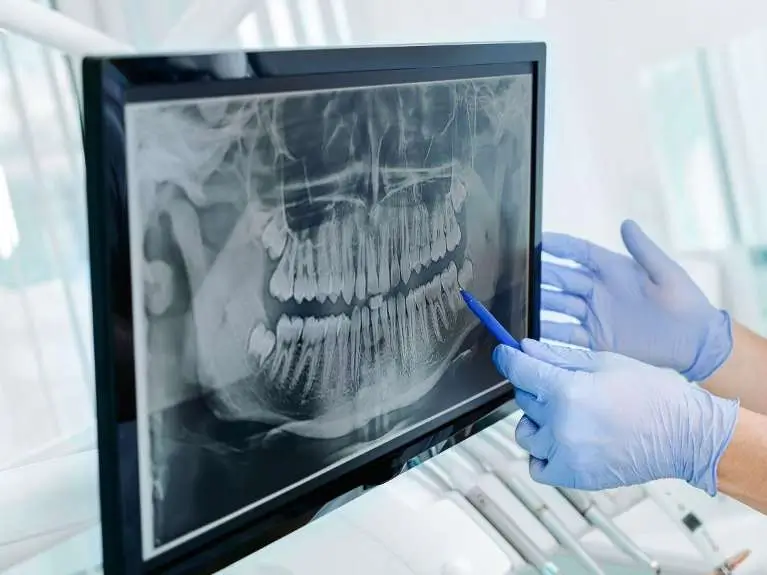
Panoramic X-Rays: The Big Picture of Your Oral Health
Panoramic X-rays provide a comprehensive view of the entire mouth, jaws, and surrounding structures in a single image. This technology allows dentists to examine areas beyond the scope of traditional X-rays, including sinuses, jaw joints, and impacted teeth. Panoramic X-rays are invaluable for diagnosing complex dental issues like TMJ disorders, planning treatments, and identifying potential problems that might otherwise go unnoticed, all while exposing patients to minimal radiation.
Benefits for you: Comprehensive diagnostics, early detection of issues, and efficient treatment planning.